
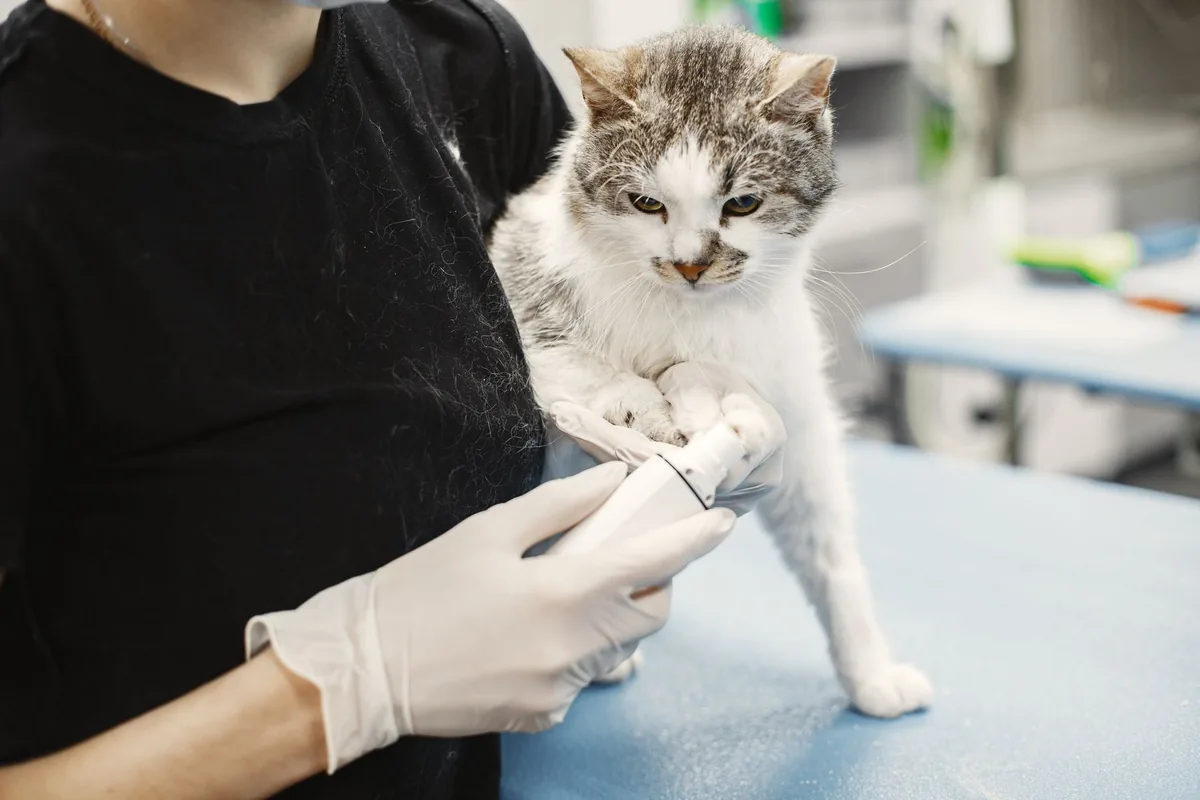
Most cat owners eventually ask the same practical question: what should the annual vet cost for a cat really look like, and how much should I realistically set aside? Whether your cat is a healthy adult or you’re dealing with an aging pet, veterinary bills can feel unpredictable—routine care, vaccines, exams, tests, and occasional sick visits all add up differently depending on your location and your cat’s individual needs.
In this article, we’ll walk through a realistic, owner-friendly yearly budget using typical price ranges (not made-up “one number” estimates). You’ll learn what costs are usually predictable, what tends to be most variable, and which factors—like exam frequency, local pricing, required diagnostics, dental needs, and chronic conditions—can push annual spending up or down.
We’ll also cover how to plan for both “expected” and “unexpected” vet expenses, including how pet insurance may (or may not) help depending on your cat’s age and risk profile. And if anything in this guide points you toward a possible health issue, please confirm next steps with a licensed veterinarian, who can advise based on your cat’s exam and history.
Quick Answer: What’s the Typical Annual Vet Cost for a Cat?
Explain what “annual vet cost” usually includes (exam + core vaccines + routine screening)
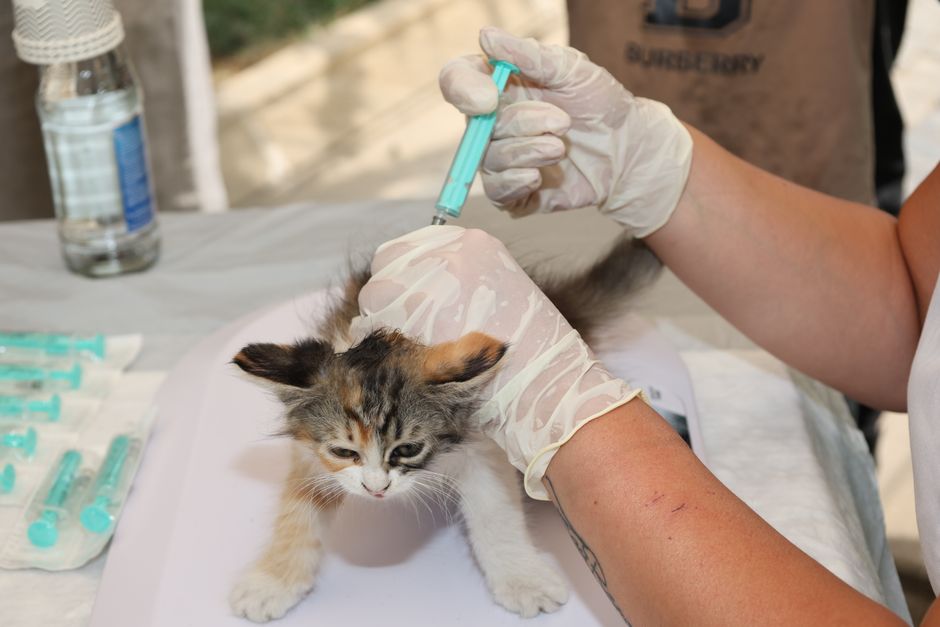
The phrase annual vet cost for a cat usually refers to the routine, recurring care most vets recommend each year: a wellness exam, core vaccinations, and basic screening or preventive tests. These items form the backbone of preventive care that helps catch problems early and can reduce expensive emergency visits later.
Common components include:
- Wellness exam (physical check, weight, behavior questions)
- Core vaccines appropriate to age and lifestyle
- Routine screening—bloodwork, urine tests, or parasite checks based on age and risk
- Optional: dental check, microchipping, and flea/tick/heartworm prevention
What drives cost most are region, clinic type (private vs. low-cost clinic), and the cat’s age or preexisting conditions. For any health decisions or test interpretation, consult a licensed veterinarian who knows your cat’s history.
Provide realistic total annual ranges for: healthy adult cat, senior cat, and cat with intermittent issues
Because prices vary widely, expect typical annual totals to be expressed as ranges rather than fixed fees. For a generally healthy adult cat, the yearly package of exam, vaccines, and routine screening varies widely by clinic and case, though this varies widely by location and clinic.
For a senior cat (more frequent monitoring, more tests) or a cat with intermittent issues (repeat visits, diagnostics), the annual total commonly increases to broader ranges—often around for seniors and for pets with recurring problems. Factors that push costs up include blood panels, imaging, and specialist referrals.
Show a simple budgeting example (low/medium/high scenarios) in dollars
Here are simple, conservative budgeting scenarios to help plan. Each is an estimate range—check your local clinic for exact pricing:
- Low: basic annual care (exam + core vaccines) —
- Medium: wellness exam + annual bloodwork + preventive meds —
- High: senior care or intermittent issues with follow-ups/diagnostics —
Practical tip: divide your chosen annual estimate by 12 to set a monthly “vet savings” amount—this simple analogy (think of it like a household utility bill) makes unexpected visits less stressful. Always confirm prices with your clinic and consult your veterinarian for health-specific guidance.
Breakdown of Yearly Costs: Exams, Vaccines, Tests, and Meds
Annual wellness exam pricing range and what can affect the fee
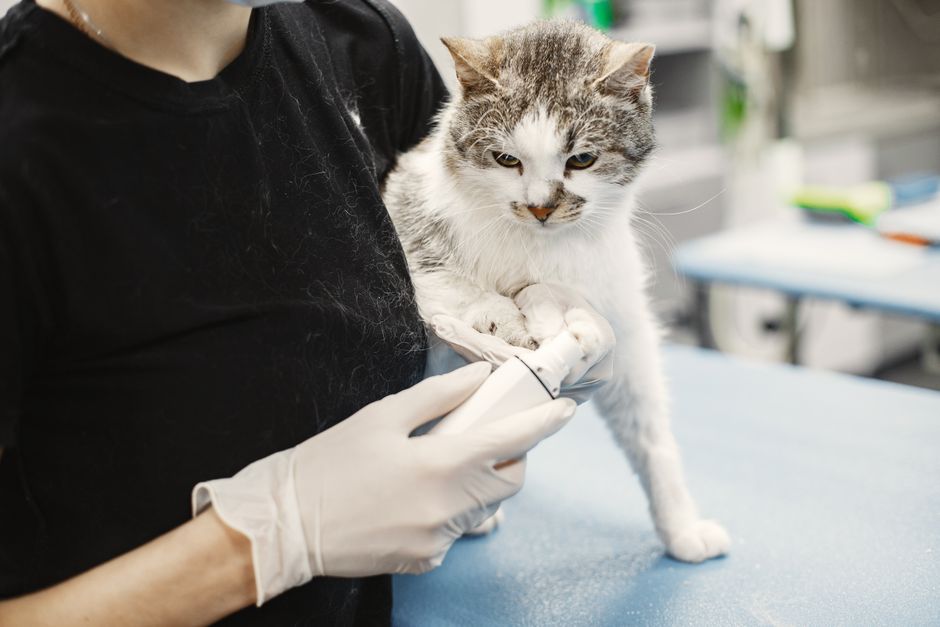
Most cat owners start budgeting with the annual wellness exam, which covers a physical check, weight and dental look-over, and a chance to update vaccines and discuss behavior or diet. The out-the-door cost commonly varies by clinic, and varies widely by clinic and case, though this varies widely by region, specialty clinic status, and whether additional procedures are done the same day.
Factors that push the fee up or down include:
- Veterinarian experience and clinic overhead (urban vs. rural)
- Length of visit or inclusion of nurse-led checks and counseling
- Same-day add-ons like nail trims, microchipping, or in-clinic diagnostics
Core vs non-core vaccines (what’s typically recommended) and expected per-year cost
Veterinarians generally recommend a set of core vaccines for most cats, with non-core vaccines advised based on lifestyle (outdoor access, boarding, multicat households). Costs are usually billed per vaccine and may be part of the wellness visit or itemized.
Common considerations:
- Core vaccines often include protection against widespread infectious diseases
- Non-core vaccines are assessed by risk (travel, exposure, clinics/boarding)
- Booster schedules and titers can change frequency and cost
Common routine tests that may be advised (fecal test, heartworm/flea prevention guidance, bloodwork) and when they’re likely added
Routine tests are often recommended at different life stages or when symptoms arise. Examples include fecal exams for parasites, basic bloodwork for older cats, and parasite prevention consultations. These are commonly added when the history or exam suggests risk or when cats reach senior age.
Typical triggers and tests:
- New kitten or recent exposure — fecal and basic parasite screen
- Annual or senior screening — blood chemistry and CBC to catch early disease
- Travel/boarding — proof of parasite prevention or targeted tests
Prescription and repeat medication costs that frequently drive the yearly total (allergies, thyroid, arthritis, etc.)
Long-term prescriptions are often the biggest recurring line item in the annual vet cost for a cat. Conditions like allergies, hyperthyroidism, chronic kidney disease, or arthritis require ongoing meds, monitoring, and sometimes compounded formulations or special diets.
What commonly affects yearly totals:
- Medication frequency and whether the drug is brand-name or generic
- Need for routine monitoring (lab work, dose adjustments)
- Formulation (liquid, transdermal, compounded) and pharmacy choice

How Age and Health Status Change the Cost
Kittens vs healthy adults vs senior cats: how visit frequency and screening change
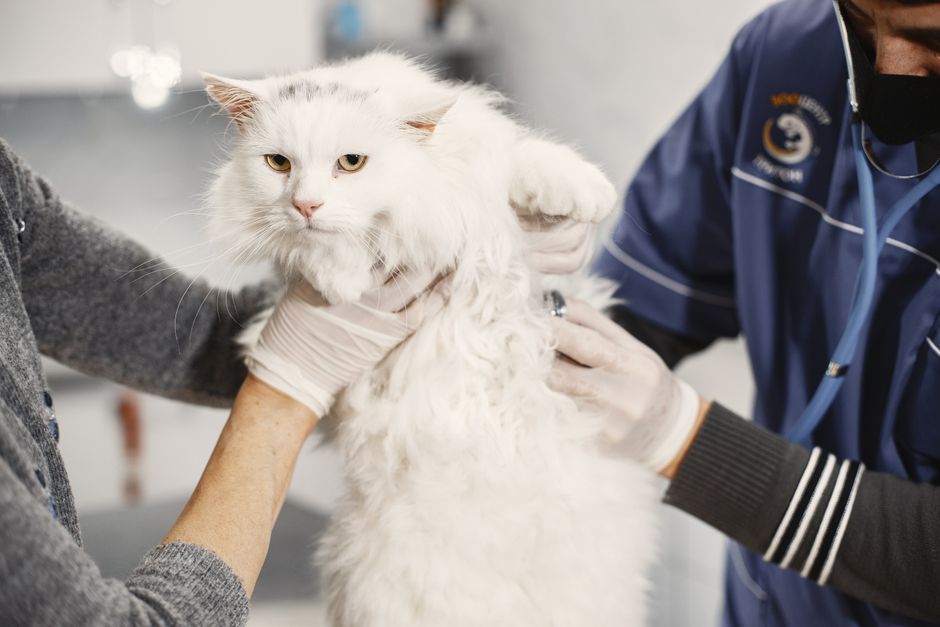
Kittens typically require more veterinary visits in their first year for vaccinations, parasite checks, and spay/neuter discussions; that front-loaded care raises the first-year portion of the annual vet cost for a cat. Healthy adult cats usually move to an annual wellness exam with vaccination updates and preventative care. In contrast, many clinics recommend twice-yearly visits for seniors to catch age-related problems earlier.
What drives the difference is not just the number of visits but the type of work done at each appointment: kittens need multiple vaccine series, adults get routine screening, and seniors get broader screening panels and monitoring. Always confirm the visit plan and pricing with your clinic, and consult a licensed veterinarian for individualized recommendations.
- Kittens: more visits, vaccinations, parasite control
- Adults: annual wellness, preventative meds, weight checks
- Seniors: biannual exams, bloodwork, blood pressure, thyroid checks
How chronic conditions (dental disease, diabetes, kidney disease, hyperthyroidism, arthritis) impact annual spending
Chronic illnesses shift costs from occasional to predictable ongoing spending. Conditions like diabetes, chronic kidney disease, and hyperthyroidism often require regular lab monitoring, medications, and periodic consultations. Dental disease may need a one-time anesthesia dental plus more frequent cleanings or extractions over time.
Cost drivers include medication type, frequency of lab tests, and whether in-clinic procedures (e.g., rechecks, fluid therapy) are needed. Reputable sources such as veterinary associations and insurer claim summaries commonly note that chronic care increases recurring costs; speak with your vet about likely long-term plans for your cat.
- Recurring prescriptions and supplements
- Regular diagnostic testing and imaging
- Possible at-home care or assisted treatments
What “one-off” events cost vs what becomes ongoing (e.g., dental cleaning, radiographs, lab monitoring)
Some procedures are largely one-time: a major dental under anesthesia or a surgical repair. Others create ongoing costs: regular blood panels after a diagnosis, medication refills, or periodic radiographs for monitoring. For example, a single dental procedure is often followed by increased oral care and sometimes repeat work, while lab monitoring for a chronic illness is a repeating line item.
When planning your budget, think in categories: one-off (surgery, initial dental), episodic follow-up (rechecks, imaging), and ongoing maintenance (meds, lab monitoring). A practical analogy: one-off events are like buying a new appliance, ongoing care is like the monthly utility bills. Always confirm estimated ranges with your clinic—some items varies widely by clinic and case—estimates vary by region and clinic.
- Questions to ask your vet: expected follow-up schedule, likely frequency of labs, alternatives that lower cost
- Factors that raise costs: anesthesia, advanced imaging, specialty referrals
- Factors that lower costs: early diagnosis, preventive care, home monitoring where appropriate
Practical tip: ask your clinic for a written estimate and compare likely annual scenarios (healthy, acute issue, chronic care) so you can weigh pet insurance or savings. For health decisions, always consult a qualified veterinarian who knows your cat’s history.

Regional, Clinic, and Cat-Specific Factors That Raise or Lower Prices
Location effects: urban vs rural pricing and cost-of-living differences
Where you live is one of the biggest influences on the annual vet cost for a cat. Urban clinics in high cost-of-living areas typically have higher overhead for rent, staff, and equipment, which is reflected in exam and procedure fees. Rural clinics may charge less for the same service, but they also sometimes have fewer in-house diagnostics, which can shift costs elsewhere or necessitate referral fees.
Think of it like groceries: the same brand can cost more in a big city than in a small town. When budgeting, ask your clinic for a regional estimate and confirm whether quoted prices include labs, vaccines, or follow-up care.
- Drivers up: high local wages, expensive rent, specialist availability.
- Drivers down: lower overhead, community clinics, telemedicine options.
- Tip: compare nearby clinics and ask about bundled wellness plans or payment options.
Clinic type: private practice vs low-cost clinics vs corporate veterinary hospitals
Clinic type affects both price and the services included. Independent private practices often provide personalized care and may price services differently than corporate hospitals, which can standardize fees but also offer broader services or 24/7 care. Low-cost clinics or nonprofit clinics focus on affordability for routine services but may limit same-day diagnostics or advanced treatments.
Before a visit, ask each clinic what is included in a wellness exam and whether they offer payment plans, wellness plans, or pet insurance partnerships. These choices influence whether you pay more up-front or spread costs over the year.
- Private practice: personalized care, variable pricing.
- Corporate hospital: standardized fees, more services on-site.
- Low-cost/nonprofit: lower basic fees, limited advanced diagnostics.
Compare clinic options to find the mix of cost and services that suits your cat.
Cat-handling needs: fear/anxiety visits, sedation, and how they can change the bill
Cats that are fearful, fractious, or highly anxious often need extra handling time, which can affect the final bill. A quiet room, additional staff time, or use of pheromones and gentle restraint are common non-medical measures that add to appointment time. In some cases, sedation or anxiolytics are recommended for safe, effective care—this changes both the clinical plan and cost.
Owners can reduce stress-related charges by bringing a calm carrier, using familiar bedding, or asking if the clinic offers cat-only appointment times. Always discuss handling strategies with your vet; they can explain safe options and whether sedation is medically necessary.
- Lower costs: calm handling, cat-friendly clinics, timed appointments.
- Higher costs: sedation, extended monitoring, additional staff.
- Practical tip: ask about cat-friendly certifications or clinic quiet hours.
Whether your cat needs additional diagnostics at the time of the exam (baseline labs, urinalysis, imaging)
Diagnostics are a common reason an exam becomes more expensive. Routine baseline bloodwork, urinalysis, or imaging (X-rays/ultrasound) provide important information—especially for senior or medically complex cats—but they add to the visit cost. Many clinics recommend baseline diagnostics at key life stages; whether you elect them during the visit affects your annual spending.
Ask for an itemized estimate and whether staging diagnostics can be split across visits. Some practices offer wellness tiers or bundled lab packages that can make routine screening more predictable and budget-friendly. Confirm with your clinic which tests are essential now and which can wait.
- Common add-ons: CBC/chemistry panels, urinalysis, fecal testing.
- Advanced diagnostics: imaging, cytology, specialist consults.
- Money-saving idea: schedule routine labs during wellness visits when possible and ask about bundled pricing.
Prices vary widely—estimates typically range and depend on region and clinic—so confirm specifics with your veterinarian and clinic staff before proceeding. For health and treatment decisions, always consult a licensed veterinarian.
Insurance vs No Insurance: How to Budget More Reliably
What you can expect to pay out of pocket without insurance for routine and semi-routine care
Without a policy, your out-of-pocket spending covers everything from wellness checks and vaccinations to semi-routine diagnostics like bloodwork or X-rays. The total varies by region, clinic, and your cat’s age and condition; a realistic guideline for the annual vet cost for a cat varies widely by clinic and case, though this varies widely.
Costs are driven more by the services needed than a simple per-visit number. Key factors that increase or decrease annual spending include:
- Frequency of wellness visits and required vaccinations
- Preventive medications (parasite control, flea/tick) and prescription diets
- Age-related screening or dental care and any unexpected diagnostics
Practical tip: think of routine care plus an emergency buffer—many owners treat the buffer like a small “vet emergency fund.” Always confirm pricing with your clinic for the most accurate local estimates, and consult a veterinarian for health decisions.
How pet insurance affects annual totals (premiums, deductibles, reimbursement, exclusions)
Pet insurance replaces some share of unexpected vet bills but adds an annual cost in the form of premiums. Policies differ on structure: annual or monthly premiums, per-incident or annual deductibles, and a reimbursement rate for eligible treatments. Policies also list exclusions (pre-existing conditions, some elective procedures).
To estimate whether insurance helps your budget, compare these elements side by side:
- Estimated annual premium range vs. your expected routine spend
- Deductible type (per-incident or annual) and typical out-of-pocket before payouts
- Reimbursement method (percentage or benefit schedule) and common exclusions
Example analogy: insurance is like paying for a smaller, steady subscription that can prevent one large unpredictable bill—whether it saves you money depends on your cat’s health profile and how risk-averse you are.
Best practices: timing wellness visits, submitting claims, and keeping copies of records
Small administrative habits reduce stress and improve budgeting. Time visits so core preventive care (vaccines, parasite control, dental checks) happens on a predictable cycle—this helps smooth annual costs and aligns expenses with policy coverage windows.
When you have insurance, follow these steps to speed reimbursements and avoid denied claims:
- Submit claims promptly with legible invoices; many insurers accept digital uploads
- Keep both paper and scanned copies of all receipts, lab results, and treatment notes
- Track dates carefully (incidents that cross policy waiting periods or renewals can affect eligibility)
Practical tip: use a simple cloud folder or a pet-health app to store records and copies of claims. These small steps make budgeting more reliable and reduce surprises; for specific medical advice, always consult your veterinarian.

Low-Cost Options and Cost-Saving Strategies That Still Keep Care Safe
Finding affordable vaccination and wellness programs (community clinics, shelters, humane societies)
Community clinics, municipal animal shelters, and humane societies often run low-cost vaccination and wellness days that can meaningfully reduce the annual vet cost for a cat without cutting corners on basic care. These programs usually focus on core vaccines, parasite checks, and simple wellness exams. Availability and scope vary by location, so check local shelter websites or call ahead for current offerings.
Questions to ask when you call: clinic hours and eligibility, what is included in a wellness visit, whether exam fees are separate, and whether they accept appointments or walk-ins. Typical reliable sources for finding programs include local humane societies, the ASPCA, and municipal animal control pages.
- Ask if the clinic provides full wellness exams or only vaccine-only visits.
- Confirm whether tests (like FIV/FeLV or parasite screens) are bundled or charged separately.
- Check if follow-up care is available at the same clinic or requires referral.
Asking the clinic for an itemized estimate and what alternatives exist
Request an itemized estimate before scheduling procedures so you can compare options and avoid surprise charges. A clear estimate separates exam, diagnostics, medications, and anesthesia, letting you consider less costly alternatives when clinically appropriate. Always confirm whether estimates are firm or subject to change if complications arise.
If a recommended test or treatment is optional, ask about alternatives and trade-offs — for example, whether monitoring at home or staging care over multiple visits is safe. Remember: for medical advice about what’s safe to delay or substitute, consult a licensed veterinarian who knows your cat’s history.
- Request written or emailed estimates to compare clinics.
- Ask which parts are essential vs. optional and why.
- Check whether in-house labs, external labs, or referral centers differ in cost and turnaround time.
Bundling routine needs (vaccines + screening) to avoid multiple separate fees
Bundling vaccines, parasite screens, and routine bloodwork into a single visit can reduce repeat exam fees and save time. Many clinics offer package pricing for core wellness services; asking about package options is a practical way to lower overhead while keeping care consolidated.
Think of bundling like combining errands into one trip — a single, slightly longer appointment usually costs less than multiple short visits. Before booking, verify which services are included and whether the clinic offers payment plans or preventive-care plans that spread costs across the year.
- Ask about wellness packages and what they cover.
- Confirm whether bundled appointments reduce exam or facility fees.
- Consider seasonal timing (e.g., aligning vaccines with annual bloodwork) to avoid extra visits.
Preventive care choices that reduce expensive problems later (dental health, parasite prevention, diet)
Investing in preventive measures—regular dental checks, parasite control, and a balanced diet—often lowers the chance of costly treatments later. For example, routine dental cleanings and home tooth care can reduce the likelihood of advanced dental disease that requires surgery. Discuss risk factors and monitoring strategies with your vet.
For personalized recommendations, consult a veterinarian who can balance cost and benefit based on your cat’s age, breed, and lifestyle. Practical tips include regular home checks, keeping parasite prevention current, and asking your clinic to prioritize interventions that provide the most long-term value.
- Schedule regular dental assessments and ask about home-cleaning options.
- Maintain year-round parasite prevention appropriate for your region and your cat’s lifestyle.
- Work with your vet to choose a diet that supports health goals and prevents weight-related problems.
Annual Budget Checklist: A Practical Template You Can Use Today
Create a yearly line-item list to estimate exam, vaccines, routine tests, and meds
Start by building a simple line-item list that captures every recurring element of care: wellness exams, vaccinations, routine bloodwork or urinalysis, parasite prevention, dental checkups, and ongoing medications. For the question many owners ask — the annual vet cost for a cat — this list is the foundation: total your expected frequencies (annual, biannual, monthly) rather than guessing a single number.
Use a table or spreadsheet with columns for item, frequency, clinic estimate, and notes. Typical items to include are:
- Wellness exam(s) and follow-up visits
- Core and non-core vaccines or boosters
- Routine labwork (blood, urinalysis) and parasite screens
- Preventive meds (flea/tick, deworming, chronic meds)
- Dental assessment and professional cleaning as advised
Ask your clinic for local price ranges and write them in your sheet — costs vary by region, clinic, and your cat’s needs. Always confirm clinical recommendations and schedules with a licensed veterinarian.
Add a separate emergency buffer amount and explain why it matters
An emergency buffer protects you from unexpected events that routinely drive bills well above routine care: extra diagnostics (imaging, labs), hospitalization, surgery, and specialist consults. Rather than treating emergencies as unpredictable catastrophes, plan a separate fund so decisions can be made calmly.
Factors that commonly push cost up include:
- Need for advanced diagnostics (X‑ray, ultrasound, CT)
- Surgery or overnight hospitalization
- Chronic disease monitoring or specialist referrals
If you don’t have a local benchmark, consider holding a buffer equal to a multiple of your routine annual estimate — record that as on your plan until you get clinic-specific figures.
Show a “plan for ” example for three cat profiles and how to adjust if you get extra diagnostics
Here’s a practical template you can copy: assume a planning figure of. Split it into categories: routine care (~60%), meds/prevention (~15%), emergency buffer (~25%). Apply that split differently by profile:
- Young indoor cat: most budget to routine care and prevention; smaller buffer.
- Adult outdoor/multi-cat: higher allocation to vaccines, parasite control, and a larger buffer.
- Senior or medically complex: more earmarked for diagnostics and chronic meds; keep a flexible emergency reserve.
If extra diagnostics are recommended, ask the clinic for a written estimate, prioritize tests (which will change immediate decision-making), and consider options like phased testing, payment plans, or pet insurance for future protection. Always confirm the clinical plan with a licensed veterinarian and update your spreadsheet with real prices from your clinic to replace placeholder amounts.
Conclusion
Your annual vet cost for a cat is best understood as a budget range rather than a single fixed number. In a typical year, costs often come from routine care (exam, vaccines, and preventive screening), plus “may happen” items like dental work, parasite prevention, and occasional sick visits. Where you live, your clinic’s pricing, and your cat’s age, weight, and health history can move the total up or down more than most owners expect.
If you’re trying to plan responsibly, start by estimating routine expenses, then add a modest buffer for unpredictable care. It also helps to ask your vet what they consider “likely” in your cat’s situation (dental, labs, senior screening) and whether pet insurance could smooth out larger bills. For any health concerns, confirm pricing and next steps with a licensed veterinarian. If this helped, consider sharing it with another cat owner who’s budgeting.
References
- How Much Is A Vet Visit For A Cat? (whisker.com)
- How Much Does a Vet Visit Cost? (2026 Price List) | Pawlicy Advisor (pawlicy.com)
- How Much Does a Vet Visit Cost for a Cat? | MetLife Pet Insurance (metlifepetinsurance.com)
- How Much Does a Vet Visit Cost? 2026 Pricing Update — Dogster (dogster.com)