
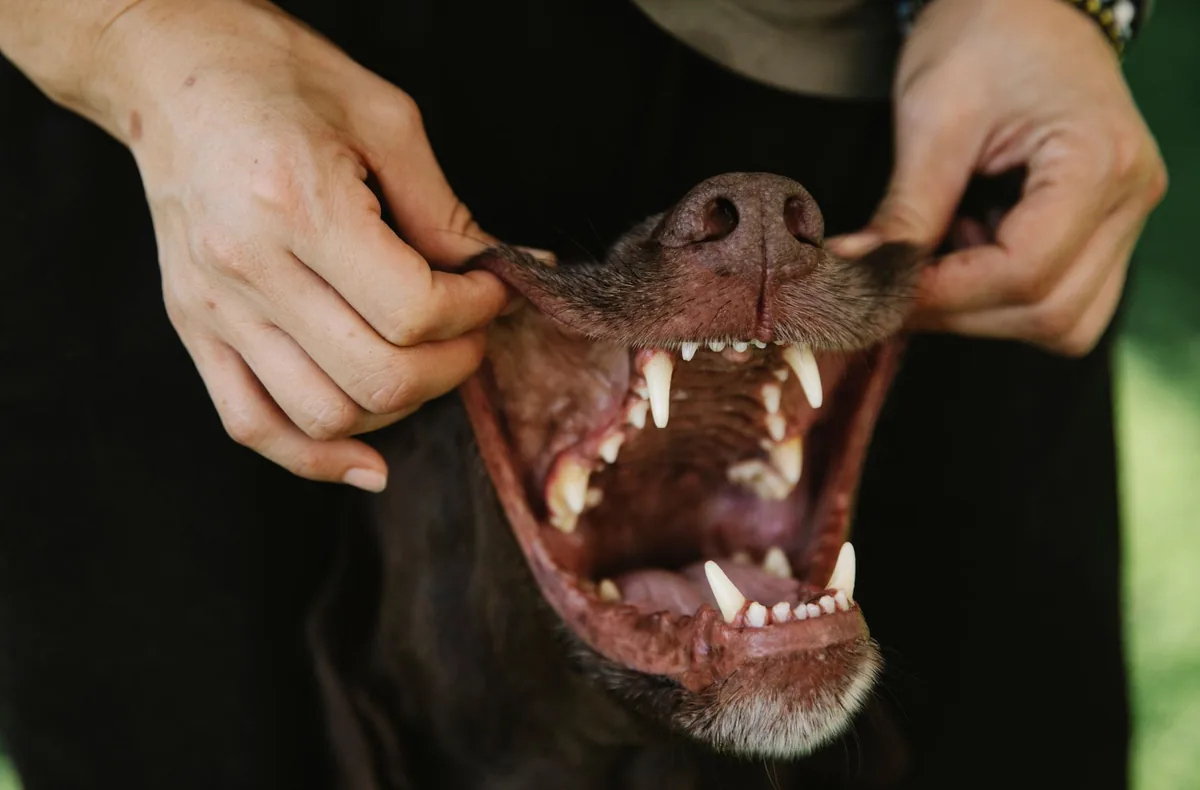
If you’re wondering about a dog dental cleaning price, you’re not alone—many owners feel torn between wanting their dog’s mouth to feel better and worrying about costs they can’t predict. Dental care can affect more than breath; plaque buildup and gum disease can lead to pain, tooth loss, and other health concerns that are harder (and more expensive) to manage later.
In this article, we’ll walk through what typically goes into a professional dental cleaning and why the final price can vary so much. You’ll learn what owners usually pay (using realistic ranges, since pricing differs by region, clinic, and the condition of your dog’s teeth), what’s commonly included versus what may be add-on work, and the practical questions to ask so you can get a clearer, itemized estimate.
We’ll also cover ways to get the best cost without cutting corners—like how to factor in anesthesia/exam needs, dental X-rays, and any additional treatments your vet may recommend after they assess your dog. And because dental issues can have medical implications, if you suspect pain, bleeding, swelling, or trouble eating, please confirm next steps with a licensed veterinarian before making decisions based on price alone.
Typical dog dental cleaning price ranges (by severity and visit type)
Quick vs. full veterinary dental cleaning: why prices differ
Not all dental visits are the same. A quick cleaning (sometimes an in-clinic polish or tartar check) tends to use minimal equipment and may not require anesthesia, while a full veterinary dental cleaning includes pre-op testing, general anesthesia, scaling above and below the gumline, polishing, and often dental radiographs. Those extra steps add time, staff, and specialized equipment, which is why costs rise.
Think of it like car maintenance: a wash and quick polish costs less than a full service with brakes and diagnostics. For pet owners, that difference is important when comparing estimates — and when weighing the benefits of a one-time quick tidy versus a comprehensive, diagnostic cleaning.
- Anesthesia and monitoring — adds personnel and equipment time
- Dental radiographs — crucial for hidden disease, increases cost
- Extractions or surgery — significantly increases stay time and supplies
Common total costs you may see: routine cleaning, deeper scaling, and advanced cases
Exact numbers vary regionally and by clinic type (general practice vs. specialty hospital). As a broad guideline, a routine, fully anesthetized cleaning that includes radiographs and a standard exam typically ranges and should be confirmed with your clinic. For general planning, the dog dental cleaning price varies widely by clinic and case, though this varies widely by location and individual needs.
Advanced cases that require multiple extractions, periodontal surgery, or prolonged hospitalization will push the final bill higher. When you get an estimate, ask the clinic to itemize common components so you can compare quotes meaningfully.
- Routine anesthetized cleaning with radiographs
- Deeper scaling and extractions (single or multiple teeth)
- Complex oral surgery or referral to a dental specialist
What “starting at” prices usually mean (and when the final bill rises)
“Starting at” is a marketing shorthand many clinics use; it generally reflects the lowest-cost scenario (healthy adult, minimal tartar, no radiographs, no extractions). Most patients require additional services that raise the total. Ask clinics what specific services are included in a “starting at” quote.
Costs climb when vets identify hidden disease or complications. Common triggers that increase the final invoice include pre-op bloodwork, IV fluids, extractions, pain medication, and extended monitoring. Always request an itemized estimate and a decision threshold for owner approval so you’re not surprised.
- Ask if pre-anesthetic bloodwork is included
- Confirm whether radiographs are billed separately
- Request an estimate cap or pre-approval limit for extractions
Practical tip: call two or three local clinics, request itemized estimates, and ask which lab tests and radiographs are standard. And because every pet’s needs differ, confirm pricing with your veterinarian and consult them about the best, safest option for your dog’s oral health.
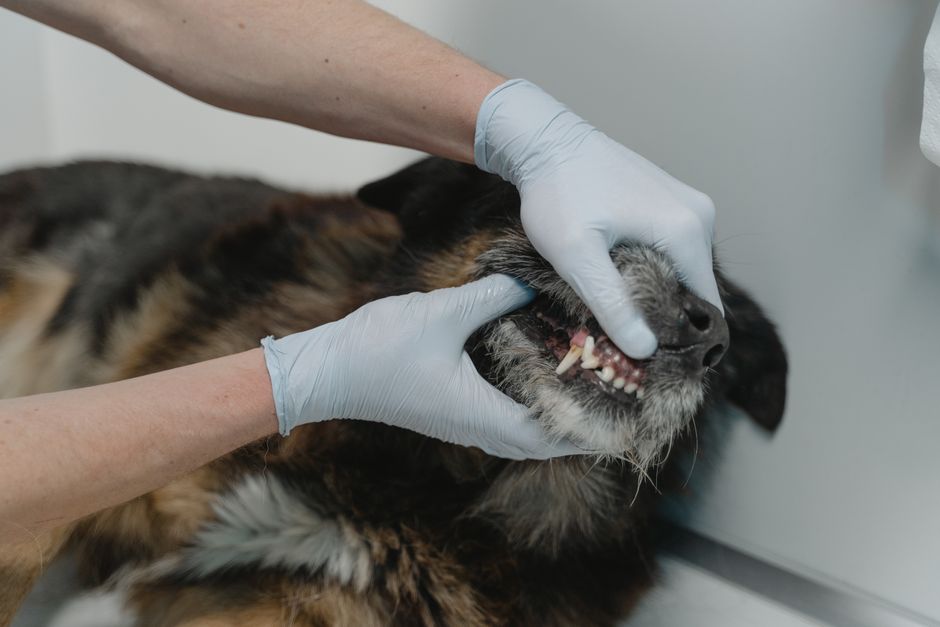
What affects the dog dental cleaning price the most
Your dog’s size, age, and dental disease stage (tartar, gingivitis, periodontal disease)
Three biological factors—your dog’s size, age, and where dental disease sits on the spectrum from mild tartar to advanced periodontal disease—are among the strongest drivers of the final cost. Larger dogs often need more time and instruments to clean all teeth; older dogs are more likely to have hidden problems that require extra attention. These differences change how long the appointment takes and whether additional diagnostics are needed.
Common cost-up drivers include:
- Extent of tartar and gingivitis—surface cleaning is quicker than deep disease care
- Periodontal pockets or root exposure—may require more advanced treatment
- Size and breed conformation—small mouths or large jaws can both complicate access
Whether anesthesia is required and the length of the procedure
Whether the clinic needs to use anesthesia is a major cost factor. Many veterinary bodies recommend general anesthesia for a full, safe oral exam, scaling below the gumline, and dental X‑rays. Anesthesia adds pre-op testing, monitoring, and recovery time; longer procedures increase staff and facility time charged to the owner.
Things that influence anesthesia-related cost include:
- Pre-anesthetic bloodwork and monitoring—to assess safety in older or ill pets
- Procedure duration—longer surgeries generally cost more
- Post-operative care—recovery time and pain control needs
Always discuss anesthetic risk and options with a licensed veterinarian to decide what’s safest for your pet.
Extra procedures that change the total cost: X-rays, extractions, periodontal treatment, polishing
Base cleaning is only part of the story. Many pets need extras such as dental radiographs, tooth extractions, root or periodontal therapy, or specialized polishing and sealants. Each adds materials, technician or dentist time, and sometimes referal fees if a specialist is needed.
Common add-ons that affect the total include:
- Intraoral X‑rays—essential for diagnosing root disease not visible externally
- Extractions and surgical repairs—vary by tooth complexity
- Periodontal treatments—scaling below the gum and any regenerative work
Practical tip: ask your clinic for an itemized estimate and whether radiographs are included. If you’re weighing cost versus benefit, think of dental work like car maintenance—addressing early problems is usually less expensive than waiting for a major repair. For specific pricing and a treatment plan, consult your veterinarian, who can provide an individualized estimate for your pet’s needs and risks.

Cost breakdown: what you’re paying for during a professional dental
Exam + oral evaluation: charting, grading, and treatment planning
A comprehensive exam is the foundation of any dental visit. Veterinarians will perform a full oral evaluation which often includes dental charting (noting missing or diseased teeth), a grading of periodontal disease, and a written treatment plan. Many clinics also include or recommend dental radiographs to see below the gumline—these images are critical for accurate diagnosis and can change the plan and cost significantly.
Factors that affect the exam portion include whether radiographs, bloodwork, or specialist consultation are needed. Ask your clinic what is included in the exam fee and whether a treatment estimate will be provided before work begins. Always confirm pricing and next steps with your veterinarian.
- Visual oral exam and charting
- Dental radiographs (if indicated)
- Written treatment plan and cost estimate
Scaling and cleaning: ultrasonic scaling vs. manual scaling, polishing, and aftercare
Scaling removes tartar and plaque. Clinics commonly use ultrasonic scalers for faster removal and manual scaling for fine work near the gumline. Polishing smooths tooth surfaces to slow re-accumulation. The time, technique, and severity of dental disease all influence the final price.
Because clinics price differently, the overall dog dental cleaning price varies widely by clinic and case to, though this varies widely by region, clinic, and the pet’s needs. When budgeting, consider that extractions, periodontal therapy, or advanced cleaning add to the base cleaning fee.
- Ultrasonic scaling for heavy tartar
- Hand scaling for detailed cleaning
- Polishing and possible fluoride or sealant
Practical tip: think of polishing like a car wax—cosmetic and protective, but it won’t fix hidden problems. Request a written breakdown so you can see which steps are optional versus recommended.
Safety and monitoring costs: anesthesia screening, monitoring, recovery, and discharge
Safety measures are a major component of veterinary dental costs. Pre-anesthetic screening (typically bloodwork and physical assessment) reduces risk by identifying underlying conditions. During the procedure, continuous monitoring—oxygen, heart rate, blood pressure—and trained staff in recovery are standard practices at reputable clinics.
These safety elements increase cost but also reduce complication risk. Recovery time, whether an IV catheter is placed, and any post-op pain control or antibiotics (prescribed by your vet) add to the final bill. Always ask what monitoring is included and whether additional charges apply for overnight observation.
- Pre-anesthetic screening (bloodwork/assessment)
- Intra-operative monitoring and staffing
- Recovery care and discharge instructions/medications
Questions to ask your vet: what monitoring devices will be used, is bloodwork included, and when can I expect a written estimate? For health decisions, consult a licensed veterinarian who can tailor recommendations to your pet’s needs and give a clinic-specific quote.
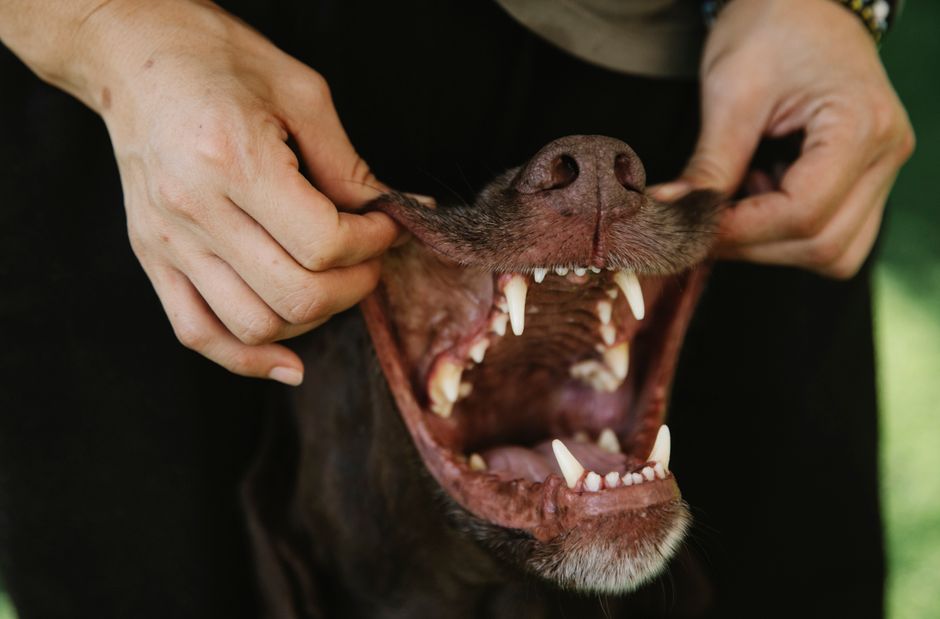
Dog dental cleaning price by scenario: practical examples
Example totals for mild tartar/early gingivitis vs. moderate vs. severe disease
Owners often ask for concrete examples. While exact figures vary by region and clinic, a useful way to think about total cost is by the level of disease: mild (scaling and polishing, minimal anesthesia time), moderate (some periodontal treatment, possible local extractions), and severe (multiple extractions and longer anesthetic). Each step up usually increases time, materials, and monitoring needs — and therefore the bill.
Typical bundles of services that drive totals include pre-anesthetic testing, the cleaning itself, monitoring during anesthesia, and any immediate treatments. As a rule of thumb, you might expect a basic cleaning to fall in a lower cost band, while severe disease pushes the case into a higher band. These ranges are estimates only and depend on clinic standards and your pet’s health: basic cases typically fall in roughly, moderate in, and severe in.
- Mild: scaling, polish, brief anesthesia time.
- Moderate: deeper scaling, possible root planing, occasional extraction.
- Severe: multiple extractions, extended anesthesia and monitoring.
What a case with X-rays and extractions typically adds to the bill
Dental radiographs (X-rays) and extractions are common add-ons and can materially affect the dog dental cleaning price. X-rays let the vet see root disease that can’t be seen above the gumline; extractions require surgical time, suture materials, and often additional pain control or medications. Expect the bill to reflect added procedure time and consumables rather than a single line-item “extraction fee.”
Factors that commonly increase cost include longer anesthesia, the number of teeth removed, and whether advanced imaging or referral surgery is needed. Ask your clinic to explain each component so you understand what’s driving the estimate.
- Number of teeth extracted — more extractions = more time and materials.
- Anesthesia duration — monitoring and recovery scale with time under anesthesia.
- Additional services — pain management, surgical packing, and follow-up care.
For budgeting, request an itemized estimate and discuss staged care options if cost is a concern; always confirm with your vet which findings will definitely require extraction versus which can be monitored.
How multiple pets or repeat cleanings can change budgeting and discounts
Caring for more than one pet or scheduling routine repeat cleanings changes the financial picture. Some clinics offer multi-pet or repeat-customer discounts, and preventative cleanings tend to be less expensive long-term than treating advanced disease. Think of it like car maintenance: regular service usually costs less than major repairs later.
When you call for estimates, ask about package pricing, senior-pet rates, and whether preventive plans or pet insurance will cover part of a cleaning. Repeating cleanings at appropriate intervals can reduce the chance of emergencies and large bills later, but always have your veterinarian confirm the right interval for your pet’s oral health.
- Ask about multi-pet discounts or bundled appointments to reduce per-pet cost.
- Check whether repeat cleanings lower the likelihood of extractions and higher bills.
- Compare pet insurance or wellness plans that cover dental prevention or partial costs.
Practical tip: bring a short list of questions when you call the clinic (see how to budget for pet dental care) — ask for itemized estimates, potential ranges for extractions, and whether sedated dental X-rays are included. And remember to consult a licensed veterinarian for individualized advice and confirmation of any costs or treatment plans.
Is it worth it? Risks of delaying vs. paying for dental work
Health impacts of untreated periodontal disease (pain, tooth loss, infection spread)
Left unchecked, periodontal disease commonly causes ongoing pain, bad breath, difficulty eating, and progressive loss of the structures that hold teeth in place. What starts as tartar and gum inflammation can advance to deep pockets around teeth, bone loss, and teeth that become loose or fractured. Many owners only notice problems when eating changes, drooling, or a visible broken tooth appear—by then the disease is often well established.
Beyond the mouth, chronic oral infection can allow bacteria to enter the bloodstream and reach other organs. Veterinarians and reputable animal-health organizations note associations between severe oral disease and increased stress on the heart, liver, and kidneys, especially in older pets or those with preexisting conditions. If you suspect pain or chronic mouth disease, consult your veterinarian for diagnosis and treatment planning rather than delaying care.
How early cleanings often cost less than emergency or advanced care
Routine dental maintenance is typically less invasive and commonly requires shorter anesthesia time, fewer diagnostic tests, and no extractions—so many owners find early treatment costs lower over the long run. While exact figures vary by region and clinic, a basic comparison often shows routine care costing noticeably less than advanced procedures such as multiple extractions or oral surgery; a rough estimate for routine versus advanced care varies widely by clinic and case to, though local pricing and case complexity drive the final bill.
Key factors that push the dog dental cleaning price up or down include:
- Whether dental X-rays or blood work are required before anesthesia
- Number and type of extractions or periodontal procedures
- Clinic location, technician/veterinarian experience, and anesthesia protocols
When vets may recommend additional treatments for safety and outcomes
Many veterinarians recommend extra diagnostics or treatments to improve safety and long-term outcomes. Common reasons include deep periodontal pockets that require extractions or periodontal therapy, teeth with exposed roots that won’t respond to cleaning alone, or systemic health concerns that make pre-anesthetic testing prudent. These recommendations are usually meant to reduce pain, prevent recurring infection, and lower the chance of emergency surgery later.
Questions you can ask your vet to weigh costs versus benefits include:
- Which problems can be solved by a cleaning alone, and which need extractions or surgery?
- What diagnostics (X-rays, bloodwork) are recommended and why?
- Can you provide an itemized estimate and alternatives, and what are payment/insurance options?
Practical tip: ask for an itemized estimate and a short-term vs. long-term cost comparison—think of routine cleaning like preventive maintenance that often avoids the “engine repair” of advanced disease. Always confirm pricing with your clinic and consult a licensed veterinarian for personalized advice.

How to lower dog dental cleaning price without sacrificing safety
Ask for a written estimate and itemized quote before anesthesia
Before booking a procedure, request a written estimate and an itemized quote. Dental bills combine several components — pre-op exams and bloodwork, anesthesia and monitoring, dental radiographs, scaling and polishing, and possible extractions or medications — and each element can change the final figure. Knowing the pieces helps you compare clinics and understand what influences the dog dental cleaning price.
Useful questions to ask include:
- Which services are included in the base price (e.g., radiographs, IV fluids)?
- How will additional costs be handled if extractions or complications are found?
- Are there separate fees for anesthesia monitoring, pain medication, or aftercare?
Think of this like getting a home repair estimate: a clear, written breakdown prevents surprises and makes it easier to decide whether to proceed or seek a second opinion. Always confirm details with your veterinarian, who can advise on what is medically necessary for your pet.
Look for dental packages, wellness-plan coverage, or seasonal promotions
Many clinics offer bundled dental packages or wellness plans that reduce overall costs by combining preventive care and procedures. Similarly, some pet insurance policies or employer benefits may help cover dental disease treatment (not all routine cleanings). Compare what a package includes — especially diagnostic imaging and anesthesia monitoring — rather than choosing solely by headline price.
When evaluating promotions, ask about exclusions and waiting periods and verify whether routine cleanings, surgical extractions, or follow-up visits are covered. Check reputable sources such as AVMA or ASPCA guidance for general best practices, and confirm specifics with your clinic and insurer.
Consider low-cost clinics vs. general practice: questions to compare quality and inclusions
Low-cost clinics can offer significant savings, but quality and scope vary. Key factors to compare are staff qualifications, anesthesia protocols, availability of dental radiographs, post-op care, and emergency backup. Ask each provider directly rather than assuming parity.
- Is the dentist a licensed veterinarian with dental training or a veterinary dentist?
- What anesthesia and monitoring equipment will be used, and who monitors the patient?
- Are dental X‑rays included, and is follow-up care covered if extractions are needed?
A practical tip: schedule a brief phone or in-person tour and use your questions to gauge transparency. If safety standards and inclusions are equivalent, a lower-cost clinic can be a responsible choice; if not, the extra investment at a full-service practice may be safer. For any health decisions, consult your licensed veterinarian to tailor care to your dog’s needs.

Questions to ask your vet before you book (so you avoid surprise charges)
What’s included: X-rays, extractions, antibiotics, pain control, and follow-up?
Before you agree to a procedure, ask the clinic for a written breakdown of what the quoted dog dental cleaning price covers. Typical items to clarify include pre-op blood work, dental X-rays, scaling and polishing, extractions, anesthesia, medications (antibiotics or pain control), and any required rechecks.
Useful questions to ask your vet:
- Are dental X-rays included or billed separately?
- How do you charge for extractions (per tooth, per hour, or a bundled fee)?
- Is medication and a follow-up exam included in the initial estimate?
Practical tip: clinics often bundle routine cleaning and basic X-rays but list extractions, long surgeries, and hospitalization as additional charges. Ask for an itemized estimate and a point at which they will call you for approval if costs rise.
Anesthesia protocol and monitoring details: who monitors and how long?
Understanding anesthesia is both a safety and cost question. Ask which staff member monitors anesthesia (a registered veterinary technician or the veterinarian), what monitoring equipment is used (ECG, pulse oximetry, blood pressure), and how long your pet is kept under observation after the procedure.
Questions to consider:
- Who will monitor my pet during anesthesia and what are their qualifications?
- What monitoring equipment is used, and is it included in the fee?
- How long is post-op monitoring and is overnight care available if needed?
Analogy: think of monitoring like a human hospital—higher monitoring standards can increase safety and may slightly affect cost, but they reduce the chance of complications that would be far more expensive later.
Estimate ranges: “typical” vs. worst-case, and what would trigger additional charges
Ask for both a “typical” estimate and a realistic worst-case scenario. A vet should be able to outline common drivers of extra charges: unexpected extractions, advanced periodontal disease, systemic illness found on pre-op testing, or extended hospitalization.
Ask the clinic to list triggers that would change the estimate and to state a threshold for contacting you before proceeding. Typical items that push costs up include:
- Multiple or surgical extractions
- Abnormal pre-op bloodwork requiring treatment
- Complications that require overnight care or specialist involvement
Wrap-up: get a written, itemized estimate, understand monitoring and aftercare, and confirm communication preferences for added costs. For any health-specific decisions, consult a licensed veterinarian who can evaluate your pet in person and provide tailored advice.

Conclusion
When you’re comparing a dog dental cleaning price, the main drivers are usually the same: how much tartar buildup is present, whether full anesthesia is recommended for a thorough exam, and what additional dental care (like scaling below the gumline or extractions) becomes necessary once your vet can see the true condition. In most cases, the “what’s included” matters as much as the sticker price—think pre-anesthetic checks, monitoring, dental charting, professional cleaning, and any needed follow-up.
Next step: call your clinic for a written estimate that breaks down scope and anesthesia monitoring, and ask what findings could change the total cost. If your dog has noticeable bad breath, drooling, pawing at the mouth, or bleeding gums, consult a licensed veterinarian promptly. Then, consider whether pet insurance or a wellness plan could help with future dental work—share your questions or estimate checklist with other owners in the comments.
References
- How Much Does Cat or Dog Teeth Cleaning Cost? (carecredit.com)
- How Much Will It Cost to Get My Dog’s Teeth Cleaned? - GoodRx (goodrx.com)
- Pet Dental Clinic - Veterinarian in Longmont, CO (petdentalcliniclongmont.com)
- Dog Dental Cleaning in Tracy, CA | From $600 (Serving the East Bay Area) (thepetadvocatevet.com)