
You’re probably wondering what the puppy first vet visit cost will actually look like—and whether that first appointment is “just a checkup” or something that can quickly add up. It’s a common worry: new puppy owners want to do the right things early (health screening, parasite prevention guidance, vaccines, and paperwork), but you also need a realistic budget before you step into the clinic.
In this article, we’ll walk through what drives the price of that first visit, what’s typically included, and the parts that may be added depending on your puppy and your area. You’ll learn how to compare estimates between clinics, what questions to ask at booking, and how to plan for common follow-ups without guessing.
Because this is both a health and money decision, we’ll keep it practical and evidence-informed, and we’ll flag where pricing can vary widely by region, clinic style, and your puppy’s individual needs. As always, confirm any treatment plans and exact recommendations with a licensed veterinarian for your specific puppy.
What “puppy first vet visit” usually includes (so you can compare prices)
Core exam: health check, weight, temperature, and general assessment
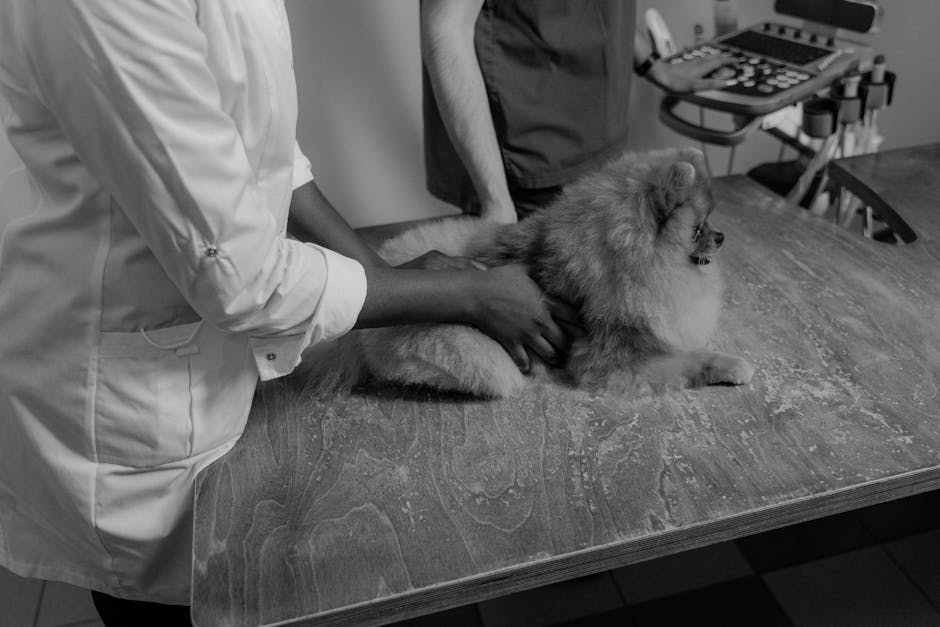
The core exam is the baseline service almost every clinic provides at a first visit. A vet or vet nurse will take your puppy’s weight and temperature, listen to the heart and lungs, inspect the eyes, ears, mouth, skin and coat, and do a basic neurological and orthopedic check to spot obvious concerns. This creates a medical record and helps the clinic recommend a follow-up plan.
Think of the core exam as your puppy’s first health snapshot — it tells the team what’s normal for that animal and what needs monitoring. Always confirm exam inclusions with the clinic and consult a licensed veterinarian for diagnosis or treatment decisions.
- Weight and body condition assessment
- Temperature and vital signs
- External exam (skin, ears, eyes, mouth) and basic mobility check
Typical add-ons: vaccines, deworming/fecal test, heartworm prevention discussion
Many puppies need one or more add-ons at the first visit. Common items include the initial vaccine(s) or an individual vaccine dose, a fecal test or deworming treatment if parasites are suspected, and a conversation about ongoing parasite prevention (heartworm, fleas, ticks). Clinics may also offer microchipping, baseline bloodwork, or a spay/neuter consult.
These services are often optional but are recommended based on age, history, and local disease risk. A practical tip: ask if clinics bundle vaccines and preventive care into a puppy package — that can simplify both scheduling and billing.
- Vaccination discussion and administration
- Fecal exam and deworming where indicated
- Microchip, baseline blood tests, or preventive care plan
Common reason costs vary: location, vet type, vaccine schedule, and puppy age/records
Several clear factors change the puppy first vet visit cost. Geographic area and local operating costs, whether a clinic is independent, corporate, or a low-cost community clinic, and which vaccines or diagnostics are performed all influence the final bill. Puppies with incomplete records, very young age, or signs of illness often need extra tests or treatments that raise cost.
Because prices vary, many owners find it useful to ask clinics for itemized estimates and to compare a few local options. As a rough placeholder range you can use when planning, typical first-visit bundles often fall in a broad band like, but confirm with your clinic for an accurate quote.
- Location and local vet operating costs
- Type of clinic (general practice, emergency, low-cost clinic)
- Puppy age, health status, and available medical records
- Which vaccines/tests are done at that visit

Average puppy first vet visit cost (by scenario)
Budget clinics vs private practices vs specialty hospitals (typical ranges)
Where you take your puppy affects the puppy first vet visit cost more than many owners expect. Budget or community clinics generally offer the lowest baseline fees because they focus on routine care and subsidized services. Private general practices charge more for time, diagnostics, and facility overhead. Specialty hospitals or emergency centers have the highest fees because they staff board-certified specialists and run-around-the-clock care.
Typical price ranges vary widely by region and case; a reasonable way to think about cost is in bands: budget clinics varies widely by clinic and case, private practices from roughly, and specialty/ER visits from roughly, though local factors change this. Factors that push costs up or down include location, clinic hours, required tests, and whether follow-up visits or procedures are needed.
- Budget clinics: lower exam fees, limited diagnostics.
- Private practices: typical preventive care plus optional testing.
- Specialty/ER: urgent care, advanced imaging, specialist consultation.
“Exam only” vs “exam + vaccines + deworming/fecal” vs “urgent concerns”
An “exam only” visit is the simplest appointment—history, hands-on check, and basic recommendations. Adding routine vaccines, deworming, or a fecal test increases the visit time, supplies, and sometimes lab fees. If your puppy has urgent signs (lethargy, severe vomiting, collapse), the visit becomes an urgent concern and costs rise because of diagnostics and possible treatment.
Estimate ranges are useful as rough bands: exam-only visits typically range around, exams with vaccines and deworming around, and urgent/problem visits typically start higher at roughly and can increase with diagnostics or treatment. Always ask about itemized estimates before procedures.
- What the exam includes (time, assessment, basic advice).
- Which vaccines are being given and if they’re bundled.
- Whether fecal testing or deworming medications are included.
Age-specific considerations: 6–8 weeks vs 10–12 weeks vs older first visits
Puppy needs change fast. A 6–8 week visit often focuses on initial health check, first vaccines if appropriate, and parasite screening. A 10–12 week visit typically repeats vaccines, may start combination shots, and emphasizes socialization and parasite control. Older first visits (if adopting later) may require catch-up vaccination, broader screening, or behavior counseling.
Costs depend on what’s needed at each age. Think of care like scheduled maintenance for a car: early visits are frequent and focused on basics; a late first visit can require several “catch-up” services at once. Practical tip: bring any shelter/breeder records, a list of questions, and a scale or known weight to speed the visit. Always confirm pricing and health plans with your clinic and consult a licensed veterinarian for diagnosis and treatment choices.
- 6–8 weeks: initial exam, parasite check, possible first vaccine.
- 10–12 weeks: booster vaccines, deworming plan, growth checks.
- Older first visit: catch-up series, broader tests, behavior guidance.

Cost breakdown: line items you may see on the bill
Office visit fee and technician/assistant charges
When you open a vet bill, the first line is usually the office visit fee or consultation charge. This covers the veterinarian's time, the basic exam, and often short discussions about diet, behavior, or next steps. In many clinics this fee is a fixed portion of the charge and varies widely by clinic and case, though amounts vary widely by region and clinic type.
Technician or assistant work—taking weight, administering vaccines, drawing blood, or providing discharge instructions—may be billed separately or included. Factors that push this line up include walk-in/sick-visit status, visit length, and whether additional staff procedures were required.
- What drives cost: clinic location, emergency vs. scheduled visit, and visit complexity
- Ask your clinic: is the technician fee bundled or separate?
- Practical tip: compare wellness package options if you expect multiple visits
Vaccines and booster planning (why you pay multiple times over weeks/months)
Vaccination is rarely a single charge for puppies because many core vaccines require a series of doses spaced weeks apart. The line items you’ll see are for each injection (e.g., distemper/parvo, leptospirosis, kennel cough) plus any combination vaccines. When researching puppy first vet visit cost, remember the first visit often includes the initial dose but not the complete series.
Each vaccine visit may include administration fee, vaccine product cost, and a brief re-check. The repeated charges reflect both the vaccine doses and the clinic time for each visit.
- Common charges: vaccine product, syringe/needle, admin fee
- Why multiply: immunity builds over multiple visits; boosters are scheduled
- Question to ask: can I pre-pay or bundle puppy vaccine visits for a discount?
Fecal tests, deworming meds, microchip, nail trim, and routine screening labs
Routine screening items are frequent line entries on a puppy bill. A fecal flotation test, point-of-care parasite checks, over-the-counter or prescription deworming meds, and microchipping are common additions. Some clinics itemize each; others offer bundled wellness packages.
Screening labs like baseline bloodwork or heartworm/FeLV tests may appear depending on age, risk factors, or regional disease prevalence. Microchip registration is usually a one-time fee plus the chip itself; nail trims and bandage removal are typically smaller line items.
- Typical items: fecal test, dewormer, microchip placement and registration
- Bundling: ask if a “puppy wellness” bundle reduces per-item cost
- Tip: bring fecal samples if the clinic allows—it can save time and sometimes fees
When extra diagnostics happen: ear/skin issues, parasites, respiratory symptoms
If your puppy has non-routine signs—persistent ear scratching, patchy hair loss, coughing—expect additional diagnostics. These can include cytology (microscopic slides), skin scrapings, cultures, PCR tests for respiratory pathogens, or imaging like radiographs. Each test is billed separately because they require specialized time and lab resources.
Costs rise with complexity: a single in-clinic test is different from a sent-out culture or advanced imaging. Always ask your vet why a test is recommended, what alternatives exist, and how results will change treatment. For medical questions and diagnoses, consult your licensed veterinarian for advice tailored to your puppy.
- Common extras: skin cytology, ear culture, parasite panels, X-rays
- Cost drivers: need for sedation, send-out labs, and specialist referrals
- Questions to ask: what will this test tell us, how soon are results, and are cheaper screening options reasonable?
What to expect at the appointment (and how it affects the total cost)
Bringing information: adoption papers, vaccination records, and prior deworming
Arrive prepared: your paperwork shapes the first visit and can reduce unnecessary repeat services. Bring any adoption or shelter paperwork, a written vaccine history, notes about prior deworming, and the microchip number if known. Having records helps the clinic place your puppy on the correct schedule quickly and avoids duplicate vaccines or testing.
Helpful items to bring:
- Adoption or transfer papers and ID
- Printed or digital vaccination and deworming records
- Microchip details and prior medical notes
If records are missing, expect the vet to recommend baseline tests or to restart parts of the vaccine series; that can increase the overall bill. Confirm pricing with your clinic ahead of time and consult a licensed veterinarian for recommendations tailored to your puppy.
Health intake questions vets ask (diet, stool quality, fleas/ticks, household risks)
Vets will run a structured intake to assess immediate risks. Typical questions focus on diet, stool consistency, any vomiting, flea or tick exposure, the presence of other animals, and travel or rescue history. These answers guide what tests or treatments are needed at the visit.
Common intake topics include:
- Current diet and feeding schedule
- Stool quality and frequency
- Flea/tick exposure and indoor/outdoor access
Answers can drive cost: a loose stool history often prompts a fecal test, visible fleas may mean treatment, and high-risk households can require broader screening. A practical tip: bring a fresh stool sample in a sealed container to save time and possibly cost.
How the vet decides vaccines/tests based on age and local disease risk
Vaccine and testing decisions hinge on the puppy’s age, maternal antibody status, lifestyle (indoors vs. socialization), and local disease prevalence. Vets distinguish between core vaccines that most puppies need and non-core vaccines reserved for specific risks. Regional factors—like tick-borne disease in your area—influence which tests or preventative measures are recommended.
Factors the vet considers:
- Puppy’s age and breed
- Exposure risk (other pets, boarding, travel)
- Local disease patterns and seasonality
Because recommendations vary, the final puppy first vet visit cost often reflects a tailored plan. Clinics may offer bundled puppy packages, but always ask for a written estimate and prioritize urgent needs first. For more on budgeting for veterinary care, see puppy care costs. Consult your veterinarian to confirm which vaccines and tests are right for your puppy.

How to avoid surprise fees and high bills
Ask for a written estimate before vaccines/labs when possible
Before consenting to vaccines, bloodwork, or other procedures, request a written estimate. For a new puppy, the overall puppy first vet visit cost varies widely by clinic and case, though this varies widely by region, clinic, and what services are performed. A short, printed estimate helps you compare options and prevents confusion at checkout.
When you ask, request an itemized list: individual vaccine names, lab tests, and any exam or facility fees. This makes it easier to spot optional items and to discuss lower-cost alternatives.
- Ask which items are required versus recommended
- Request clear wording about one-time versus recurring fees
- Keep the estimate on file or take a photo before leaving
Clarify whether prices include follow-up or only today’s visit
Some clinics quote an initial visit price but not the cost of follow-up calls, rechecks, or injections that may be needed later. Ask up front whether the estimate covers the initial visit only or also scheduled follow-ups within a set time window.
Knowing this avoids surprises when a minor problem becomes a multi-visit expense. If a recheck is likely, ask whether it will be billed as a new exam or bundled into the original service.
- Confirm what constitutes a "follow-up" visit
- Ask if rechecks for the same issue have a reduced fee
- Request the clinic’s estimate for a typical recheck scenario
Understand common add-on thresholds (e.g., if diarrhea/itching leads to tests)
Many clinics have clinical thresholds that trigger testing or treatments: persistent vomiting, blood in stool, severe itching, or fever often prompt diagnostics. Ask which signs would move your puppy from "watchful waiting" to labs, imaging, or medications.
Knowing these thresholds helps you decide how aggressively to treat vs. monitor at home and whether to use insurance or a payment plan. Think of it like a car mechanic: minor noises may wait, but certain warning lights require immediate diagnostics.
- Ask which specific symptoms trigger tests
- Request examples of typical next-step diagnostics
- Clarify whether tests are done immediately or scheduled
Bring up cost concerns early so alternatives can be discussed
Tell the clinic your budget constraints at the start of the conversation. Veterinarians can often present tiered options—basic diagnostics first, then expanded tests only if needed—or suggest monitoring strategies that are safe short-term.
A practical tip: ask for a prioritized plan (what to do now, what to wait on) and a brief list of low-cost steps you can take at home. Always confirm any health-management decisions with a licensed veterinarian before acting.
- Be honest about your budget and ask for priorities
- Request lower-cost or staged alternatives when available
- Ask about payment plans, pet insurance claims, or local aid resources
Ways to lower puppy vet costs (without skipping essential care)
Low-cost vaccine/deworming clinics and nonprofit/community programs
Community clinics, humane societies, and veterinary schools often run low-cost vaccine and deworming clinics that can reduce routine expenses without sacrificing safety. These programs typically focus on core vaccines and basic parasite control; because they serve many animals, they can offer lower per-visit fees. If you’re budgeting, ask how the clinic’s services compare to a full veterinary exam—this helps you understand what’s included in the puppy first vet visit cost.
When considering a clinic, confirm credentials, which vaccines are given, and whether a physical exam is included. Useful questions to ask:
- Which vaccines and tests are included in the visit?
- Is a full physical exam performed by a licensed veterinarian?
- Are follow-up visits or records provided for transfer to a regular vet?
Bundling benefits: new-puppy packages and multi-visit discounts
Many clinics offer new-puppy packages that bundle exams, core vaccines, deworming, and sometimes microchipping. Bundles can be cost-effective when you compare the per-item price rather than just the upfront total. Think of it like buying a multi-visit pass—you often pay less per service than paying à la carte.
Before buying a package, request an itemized estimate and check refund/transfer policies. Factors that affect value:
- Which services are included vs optional add-ons
- Length of time the package covers (single visit vs series)
- Whether the clinic applies the package to unexpected problems
Pet insurance vs wellness plans: when they help and when they don’t
Pet insurance typically helps with accidents and illnesses, while wellness plans cover routine care like vaccines and fecal tests. For young puppies, wellness plans can smooth out predictable costs; insurance can protect against unpredictable, high-cost events. Read exclusions, waiting periods, and reimbursement limits carefully.
Deciding which helps more depends on your risk tolerance and finances. Consider asking:
- Does the plan cover congenital or hereditary conditions?
- What is the reimbursement rate and annual limit?
- Are routine visits bundled or billed separately?
Negotiation and payment options: wellness plans, CareCredit-like options, payment schedules
Many clinics will discuss flexible payment options—monthly wellness plans, third-party medical credit, or staggered treatment schedules. Being transparent about your budget often opens options; vets want to keep pets healthy while finding affordable paths. Always confirm interest rates, fees, and what happens if payments are missed.
Practical steps to lower out-of-pocket burden:
- Ask for a written, itemized estimate before treatment
- Request phased care where appropriate (treat now, defer non-urgent items)
- Compare clinic wellness plans vs external credit/payment programs
Please confirm current pricing with your clinic and consult a licensed veterinarian about medical decisions and treatment timing.

Budgeting checklist for your puppy’s first 12 weeks of care
A simple monthly budget template for exam + vaccine/booster cadence
Start by listing the predictable, recurring items for the first three months: the initial exam, routine vaccines and boosters, parasite treatments, and any standard wellness tests your clinic recommends. The puppy first vet visit cost is only one part of this; vaccine series and administration fees commonly follow on a schedule (for example: initial exam, 6–8 week boosters, 10–12 week boosters). Clinics and regions differ, so confirm exact timing with your vet.
Use a compact monthly template with columns for: date, appointment type, estimated cost, paid (Y/N), and reminder set. A basic template might include:
- Month 1: initial exam + first vaccine/booster and deworming
- Month 2: booster vaccines and health check
- Month 3: final puppy series booster and microchip check (if applicable)
Practical tip: treat these entries like a baby’s immunization schedule—block the calendar immediately after booking and set two reminders (email + phone) to avoid missed appointments.
Plan for emergency/after-hours costs separately from routine visits
Routine care budgets should not replace an emergency fund. Many owners set aside a separate emergency buffer equal to one or two routine visit totals or enroll in a pet insurance plan that covers emergencies. What drives emergency cost variation includes severity of condition, need for imaging/labs, and whether care is after-hours or at a specialty center.
Keep a short checklist of actions and contacts for emergencies:
- Local after-hours clinic phone and address
- Estimated hold amount or deposit policy to ask about
- Pet insurance claims contact and policy deductible/out-of-pocket notes
Analogy: think of your emergency fund like a car’s roadside assistance—you hope not to use it, but it prevents a much larger financial shock when you do. Always confirm emergency policies and typical fees with your clinic ahead of time.
Track your puppy’s expenses and upcoming boosters to prevent missed appointments
Consistent tracking reduces missed boosters, which can lead to additional vet visits and higher long‑term costs. Use a simple spreadsheet or a pet-health app to log each visit, vaccine type, batch/lot number (if provided), and the due date for the next dose. Include a column for follow-up questions to bring to your vet.
Useful tracking columns include:
- Date of visit and appointment purpose
- Services provided (exam, vaccine name, microchip, deworming)
- Amount paid, outstanding balance, and next due date
Questions to ask your vet at each visit: what boosters are next, are there any clinic package discounts for the puppy series, and will any condition change the timing or cost? Keeping records also helps if you later compare clinics or file insurance claims. As you wrap up your initial budgeting, remember to confirm pricing with your clinic and consult a licensed veterinarian for health decisions tailored to your puppy.

Conclusion
The puppy first vet visit cost is best understood as a variable estimate rather than a single fixed price. In most regions, you can expect costs to fall within a broad range depending on clinic location, what’s bundled (exam, vaccines, basic screening, parasite prevention guidance), and any unexpected needs identified during the appointment. Your budget should also account for follow-ups or additional vaccines, which can change the total over the first few weeks.
If you’re planning ahead, compare written estimates from a few local clinics and ask what’s included in the exam fee versus optional add-ons. Consider whether pet insurance would help offset routine and non-routine costs, but review waiting periods and coverage limits. For anything medical, confirm details with a licensed veterinarian. If this helped, share it with another new puppy parent or tell us your region and what your clinic included so we can help you plan.
References
- Puppy's First Vet Visit: When To Go and What To Expect | Chewy (chewy.com)
- New to puppies, first vet bill supposed to be this high?: r/puppy101 (reddit.com)
- How Much Does a Vet Visit Cost? Average Pricing By Procedure (carecredit.com)
- How Much Does a Vet Visit Cost? (2026 Price List) | Pawlicy Advisor (pawlicy.com)